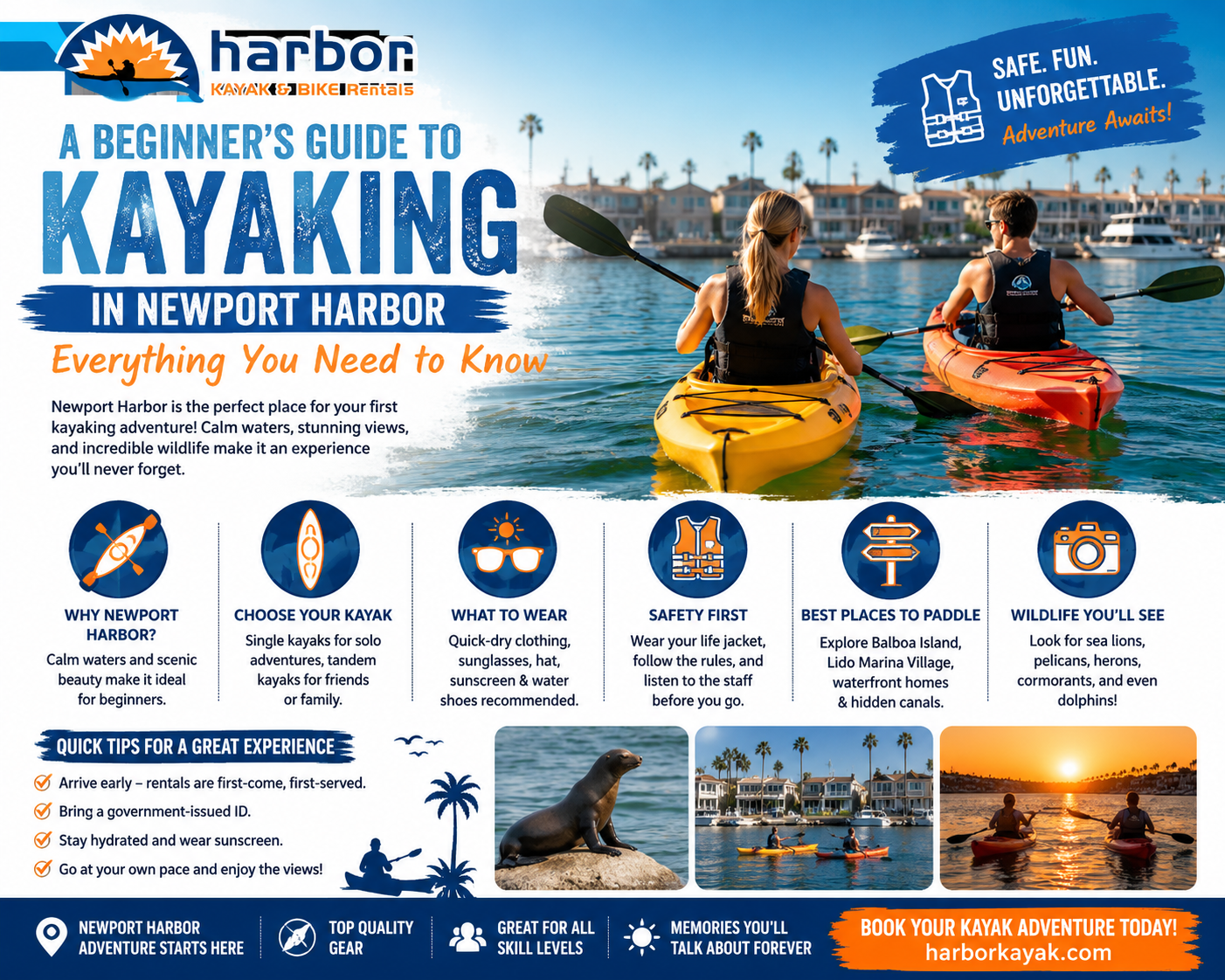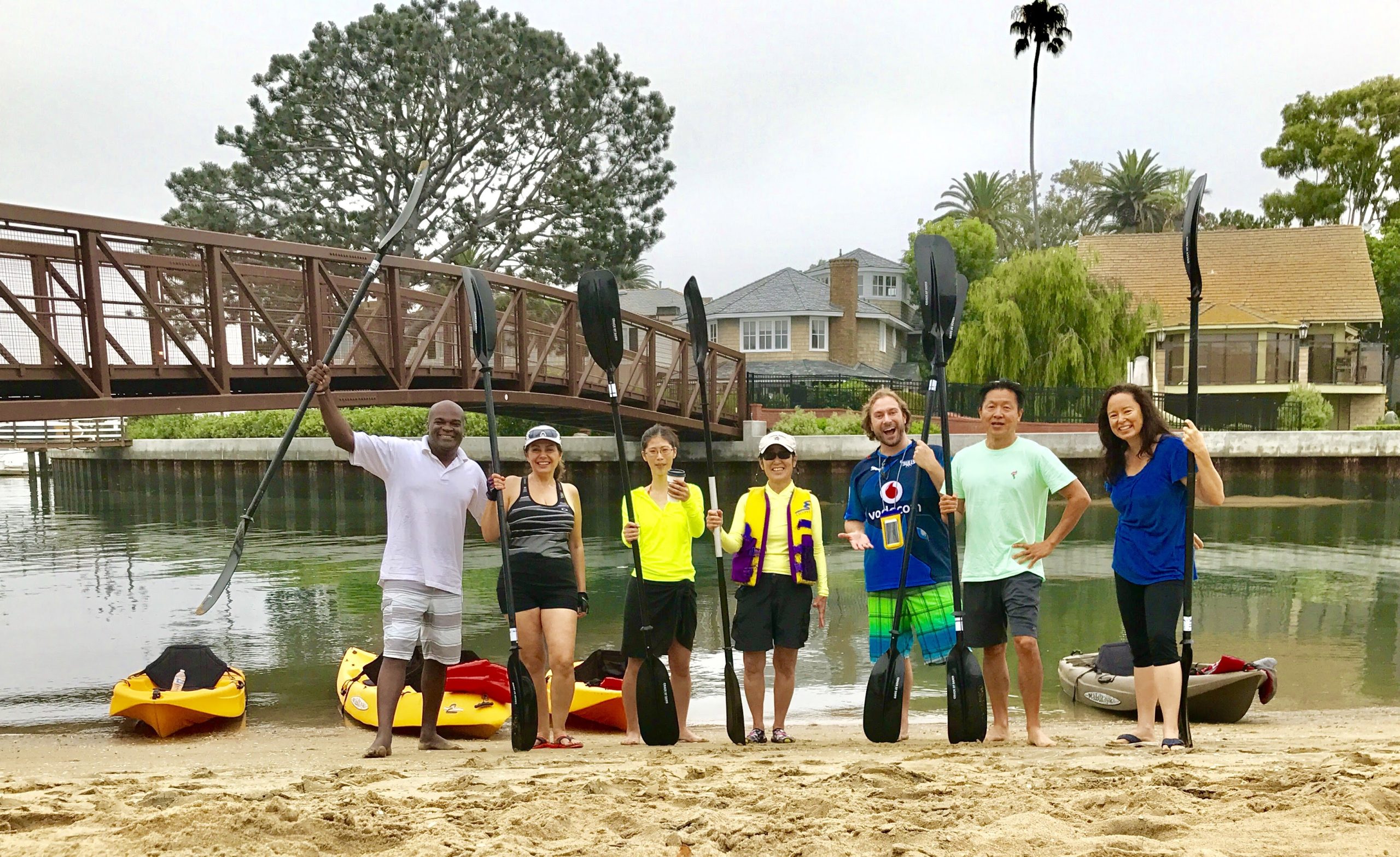
Introduction
Water sports have long been celebrated not only for their recreational value but also for their substantial health benefits. Activities like kayaking, paddleboarding, and biking by the water offer more than just fun; they are potent tools for enhancing physical fitness and mental well-being. This article delves into how these popular activities contribute to a healthier lifestyle.
Exploring the Health Benefits of Kayaking, Paddleboarding, and Biking
Kayaking, paddleboarding, and biking stand out as three of the most engaging water sports. Each offers a unique combination of physical exertion, mental relaxation, and a deep connection with the natural world. From building muscle strength and improving cardiovascular health to reducing stress and fostering a sense of tranquility, these activities provide a comprehensive array of health benefits. In the following sections, we will explore the specific advantages of each sport and how they contribute to overall health and wellness.
The Allure of Water Sports
Water sports have gained immense popularity not just as recreational activities but also as effective forms of physical exercise. The unique environment where these activities are performed – on or near water – adds an extra dimension of challenge and enjoyment.
Growing Popularity of Water Sports
The appeal of water sports like kayaking, paddleboarding, and biking near water bodies is multifaceted. These sports offer an escape from the routine gym workouts, allowing participants to engage with nature and experience the outdoors. The varying levels of physical intensity also make water sports accessible to a wide range of people, regardless of their fitness level or age.
Combining Physical Exercise with Mental Relaxation
One of the key benefits of water sports is their ability to combine physical exercise with mental relaxation. Activities such as kayaking and paddleboarding require focus and physical effort, which can help clear the mind and reduce stress. Similarly, biking along scenic water routes offers a sense of freedom and tranquility, often leading to mental rejuvenation. The rhythmic nature of these activities, combined with the soothing presence of water, can create a meditative state, promoting overall mental well-being.
This balance of physical and mental engagement is what sets water sports apart, making them not just a form of exercise but a holistic wellness experience.
Kayaking: A Full-Body Workout
Kayaking is often perceived as a leisurely activity, but it’s also an effective full-body workout. The mechanics of paddling engage multiple muscle groups, offering a comprehensive exercise session on the water.
Engaging Various Muscle Groups in Kayaking
When you kayak, you primarily use your upper body muscles, including your back, shoulders, arms, and chest. Each paddle stroke engages these muscles, providing a robust workout that builds upper body strength. Additionally, kayaking also involves the core muscles. Maintaining balance and stability in the kayak requires constant engagement of the abdominal and lower back muscles, thus strengthening the core.
Cardiovascular Benefits of Regular Kayaking
Beyond muscle strengthening, kayaking is an excellent cardiovascular exercise. The continuous movement of paddling increases heart rate and boosts cardiovascular health. Regular kayaking can improve heart function, increase stamina, and even help in burning calories, which is beneficial for overall heart health and weight management. The intensity of the workout can be adjusted by the pace and distance of kayaking, making it a suitable exercise for varying fitness levels.
Overall, kayaking offers a unique blend of strength training and cardiovascular exercise, making it an ideal activity for those looking to improve their physical fitness in a dynamic and enjoyable way.
Mental Health Benefits of Kayaking
Kayaking is not only beneficial for physical health but also has a significant positive impact on mental well-being. Being on the water and immersed in nature can be incredibly therapeutic and stress-relieving.
Stress Reduction and Improved Mental Well-being
The rhythmic nature of paddling and the calming presence of water are natural stress busters. Kayaking allows for a peaceful escape from the hustle and bustle of daily life, providing a sense of solitude and tranquility. This activity requires focus and concentration, which helps divert the mind from stressors and can lead to a meditative state. The reduction in stress levels is beneficial for overall mental health, reducing the risk of anxiety and depression.
Connection Between Outdoor Activities and Mental Health
Engaging in outdoor activities like kayaking also has a profound impact on mental health. Studies have shown that spending time in nature can improve mood, enhance cognitive functioning, and even boost self-esteem. The sensory experience of being outdoors – the sound of the water, the sight of the surrounding landscape, the feel of the breeze – can have a grounding effect, helping to foster a sense of mindfulness and present-moment awareness.
Kayaking, with its combination of physical activity, nature immersion, and stress reduction, is a powerful tool for improving mental health and well-being, making it a worthwhile pursuit for those looking to enhance their mental and emotional health.
Paddleboarding: Core Strength and Balance
Paddleboarding, particularly Stand-Up Paddleboarding (SUP), is renowned for its effectiveness in building core strength and improving balance. This engaging water sport offers a unique workout that targets several key muscle groups.
Benefits of Paddleboarding for Core Strengthening
Standing on a paddleboard requires a constant engagement of the core muscles to maintain balance. As you navigate through the water, every shift in weight or paddle stroke calls upon your abdominal, lower back, and oblique muscles. This continual engagement not only strengthens the core but also improves overall stability and posture. The dynamic nature of balancing on a moving board means that even when you are not actively paddling, your core is getting a workout.
Enhancing Overall Body Conditioning with Paddleboarding
Beyond the core, paddleboarding also engages other muscle groups. The act of paddling works the arms, shoulders, and back, providing an upper-body workout. Additionally, maintaining balance on the board can engage leg muscles, although to a lesser extent than the core and upper body. This full-body engagement during paddleboarding not only builds muscle strength but also enhances overall body conditioning and coordination. Regular participation in paddleboarding can lead to improved endurance and fitness levels, making it an excellent addition to any fitness regimen.
With its focus on core strength and balance, paddleboarding stands out as a highly effective water sport for building a strong, well-conditioned body.
Mindfulness and Relaxation through Paddleboarding
Aside from its physical benefits, paddleboarding offers a unique avenue for mindfulness and relaxation. The serene environment and the rhythmic nature of paddling contribute to a peaceful mental state, making it a perfect activity for mental rejuvenation.
Meditative Aspects of Paddleboarding
Paddleboarding requires a certain level of concentration and present-moment awareness, akin to meditative practices. Balancing on the board and synchronizing paddle strokes with movement fosters a sense of mindfulness, where one’s focus is anchored to the activity at hand. This mindfulness aspect helps to clear the mind, reduce stress, and enhance mental clarity. The peacefulness of being on the water amplifies this effect, providing a serene backdrop for meditation and introspection.
Reducing Anxiety and Promoting Mindfulness
The calming effect of paddleboarding can be profoundly beneficial for those dealing with anxiety. The combination of physical activity, outdoor setting, and the required concentration can have a therapeutic effect, easing anxiety symptoms. Being on the water, away from the distractions of daily life, allows individuals to connect with nature, which has been shown to have a positive impact on mental health. The tranquility experienced while paddleboarding can lead to a deeper sense of relaxation and well-being, promoting overall mental balance and mindfulness.
Through paddleboarding, individuals can enjoy not only a fun and engaging physical activity but also an effective means of achieving mental peace and mindfulness.
Biking: Cardiovascular and Muscle Endurance
Biking is a highly effective exercise for improving cardiovascular health and building muscle endurance. It’s a versatile activity that can be enjoyed in various settings, from serene coastal paths to challenging mountain trails.
Cardiovascular Fitness Benefits of Regular Biking
Cycling is an excellent cardiovascular workout. It raises the heart rate, pumping blood throughout the body, and improving overall heart health. Regular biking can lead to a decrease in the risk of heart diseases, lower blood pressure, and improved circulation. It’s also a great way to burn calories and aid in weight management. The intensity of the workout can vary, from leisurely rides to intense sprints, making it suitable for a wide range of fitness levels.
Enhancing Muscle Endurance with Biking
Biking not only benefits the cardiovascular system but also helps in building muscle endurance, particularly in the lower body. Pedaling engages the calves, quads, hamstrings, and glutes, strengthening these muscles over time. For those biking in hilly terrain or on varied trails, the intensity increases, providing an even greater muscle workout. Additionally, biking can help improve joint mobility and flexibility, particularly in the hips and knees.
The combination of cardiovascular and muscle endurance training makes biking an excellent choice for those seeking a comprehensive workout. Its adaptability to different terrains and intensities also adds to its appeal as a versatile and effective form of exercise.
The Social and Emotional Benefits of Biking
Biking is not just a solitary activity; it has significant social and emotional benefits. It can be a powerful way to connect with others and improve overall emotional well-being.
Building Community and Social Connections through Biking
Biking can be a highly social activity. Joining a biking group or club can lead to new friendships and strengthen community bonds. Group rides are an opportunity to meet people with similar interests, share experiences, and even learn new biking skills. For families, biking together can be a bonding experience, allowing for quality time while engaging in a healthy activity. Social interactions associated with biking can increase feelings of happiness and belonging, contributing to overall emotional health.
Emotional Health and Well-being Benefits of Biking
The act of biking itself can have a direct impact on emotional well-being. It can serve as a form of moving meditation, allowing for mental decompression and stress relief. The sense of achievement from reaching biking goals, whether it’s mastering a new trail or completing a long ride, can boost self-esteem and confidence. Additionally, the endorphin release during physical exercise, often referred to as the “runner’s high,” can also occur during biking, leading to improved mood and a sense of joy.
Biking, therefore, offers not just physical health benefits but also plays a significant role in enhancing social connections and emotional well-being, making it a holistic activity for improving overall quality of life.
Integrating Water Sports into a Healthy Lifestyle
Incorporating water sports like kayaking, paddleboarding, and biking into your regular fitness routine can significantly enhance your overall health and well-being. However, it’s important to approach these activities safely and progressively, especially if you’re a beginner.
Tips for Safely Incorporating Water Sports into Fitness Routines
Start by choosing the right activity that aligns with your fitness level and interests. For beginners, it might be beneficial to take introductory classes or lessons to learn the basics and ensure safety. Gradually increase the duration and intensity of your water sports activities to avoid overexertion and injury. It’s also crucial to use the appropriate gear and safety equipment, such as life jackets for kayaking and paddleboarding, and helmets for biking.
Recommendations for Beginners and Progressing Safely
For those new to water sports, consistency is key. Begin with shorter sessions and slowly build up as your confidence and skills grow. Pay attention to your body’s signals and rest when necessary. As you progress, you can explore different types of water sports or more challenging routes and techniques. Joining a club or group can provide additional motivation and guidance. Remember, the goal is to enjoy the experience while enhancing your fitness and health.
Integrating water sports into your lifestyle can be a rewarding journey, offering diverse and enjoyable ways to stay fit, connect with nature, and improve your overall well-being.
Conclusion
The exploration of water sports like kayaking, paddleboarding, and biking reveals a wealth of health benefits that extend far beyond physical fitness. These activities offer a holistic approach to wellness, encompassing physical, mental, and emotional health improvements.
Summarizing the Comprehensive Health Benefits
Kayaking and paddleboarding provide unique workouts that strengthen various muscle groups, improve cardiovascular health, and enhance balance and core stability. They also offer mental health benefits by promoting relaxation, reducing stress, and encouraging mindfulness. Biking complements these benefits by boosting cardiovascular fitness, muscle endurance, and offering social and emotional advantages through community building and emotional well-being.
Encouraging Exploration of Water Sports for Well-being
Engaging in these water sports can transform the way we approach fitness and recreation. They invite us to experience the outdoors, connect with nature, and enjoy the therapeutic presence of water, all while providing substantial health benefits. Whether you’re seeking a solo adventure, a family activity, or a way to connect with a community, kayaking, paddleboarding, and biking are excellent choices.
This guide underscores the value of incorporating these water sports into your life. Not only do they offer a fun and enjoyable way to stay active, but they also contribute significantly to a balanced and healthy lifestyle. We encourage readers to try these activities and experience firsthand the numerous benefits they offer for physical and mental well-being.
Excited for an adventure with us or have a question? Call us at: (949) 445-0015 Book Your Ride with us: Click here to Book